Cada vez que nos encontramos en una encrucijada o toma de decisiones, la incertidumbre es seguramente la piedra de tranca.
En este espacio quiero dar alternativas y apoyo para ayudar a resolver, en el campo quimico, estas incertidumbres y solucionar los problemas que normalmente encuentra el formulador en la preparacion de diferentes productos quimicos.


Escribame sus dudas, problemas o incertidumbre ( emalaguti@gmail.com ) que yo le ayudare a solucionarlos.
Write to: emalaguti@gmail.com
domingo, 6 de julio de 2014
SOLUCIONES QUIMICAS Y FORMULACIONES
miércoles, 15 de mayo de 2013
NEW PROPERTY FOUND FOR TiO2
Investigation Into Marine Concrete Anti-Fouling Coatings
Long term ecologically sound answer to organic growth remains unsolved, however the use of titanium dioxide (TiO2) particles within coatings for concrete pavements have received considerable attention in recent years.
By Peter Hughes, Contributing Writer
Marine Coatings
Marine Fig 1
Marine Fig 2
Marine Fig 3
Marine Fig 4
Marine Fig 5
Marine Fig 6
Marine Fig 7
Marine Fig 8
Photocatalytic coatings are successfully used with many other building materials and have been shown to retard algal growth on concrete (2). In spite of these promising benefits, applications of this technology are currently limited. The durability of this technology in a marine application needs to be established before large-scale practical implementation is undertaken. Titanium dioxide (TiO2) is a white inorganic substance that is thermally stable, non-flammable and insoluble. TiO2, the oxide of the metal titanium, which is the ninth most abundant element in the earth’s crust, occurs in many rocks and mineral sands, the most economically important being ilmenite and rutile deposits. Ultra-fine (nano-scale) titanium dioxide (Anatase) was used in this research for surface treatments. The potential of titanium dioxide as a photocatalyst was discovered by (3). This process, which is similar to plant photosynthesis, allows the decomposition of water into oxygen and hydrogen in the presence of light, by means of a TiO2-anode (1). Based on this heterogeneous photocatalytic oxidation process, nitrogen oxides are oxidized into water-soluble nitrates while sulfur dioxide is oxidized into water-soluble sulfates; these substances can be washed away by moisture in the form of rainfall or seawater. The overall aim of this research, is to advance the understanding of how a photocatalytic (TiO2) coatings responds in a marine environment. This phase of work, carried out in the northwest of England, has recorded anti-fouling performance and intends to progress towards a non-toxic, environmentally-benign strategy for future industrial applications.
The ‘Development’ Tio2 Coating Used In This Research
Primary particles of ultrafine TiO2 within the development coating used was typically in the range of size from 10 to 60 nm, not only as existing discreet primary particles but as aggregates, with secondary particle sizes typically >100 nm. The coating was a stable aqueous dispersion (sol) of ultrafine TiO2 particles. Key features included an anatase crystal form with a 10 wt% of TiO2 content. The coating had a neutral pH of 8.5, with a high surface area (dry) of 300 m²/g, it dried clear, and was UV light activated with limited fluorescent light activity. It is marketed for architectural applications.
Tio2 Coating Application In This Study
The coating procedure consisted of three independently applied layers brushed (concrete tiles) or roller applied (static site) onto the surface of concrete specimens, as per the manufacturer’s recommendation. The primer layer was applied to lower the viscosity of the material. This assisted in generating a good seal in the priming process through the filling of cracks and blowholes in the concrete surface. The primer formed a coating layer with a dry film thickness of 10µm. On top of the dried primer, an undercoat was applied after a drying time of 24h. Then, three separate topcoats were applied, each 10µm and a further 24h drying time, thus, bringing the overall thickness of the photocatalytic coating to 50µm. Although the coating was composed of a number of different layers, the comparatively short time between applications ensured that the finished complete layer did not show any distinct separate layers, but can be treated for all intents and purposes in this research as a single layer, see figure 1.
Results And Discussion
The biological complexity of the phenomenon, part of a larger study (4), referred to as marine biofouling, is enormous. It has been shown here and in previous research (5) that it is an ecological community with entities originating from all that we call life. Also, each organism has its own solution for how to find and attach on a surface, evolved during millions of years. It is the author’s view, it is impossible to invent new antifouling coatings without restricting the problem, meaning that several antifouling strategies have to be part of a holistic approach, leading to a bigger solution.
There are however several obstacles to be cleared before titanium dioxide photocatalyst technology can be adopted in the control of marine biofouling. Not only the fact that the applicability of this technology is limited considerably because the catalyst works only where there is light, but the application of a coating to composite materials such as concrete has limitations, as shown in figure 2.
The performance of the coating was observed to be heavily dependent on the underlying composite material. First of all, due to differences in intrinsic properties the synthetic fibres, in abundance at the surface of the concrete samples, inhibited a satisfactory bond between coating and substrate. The thermal coefficients of the coating were different from that of the concrete and its constituents. Thermal expansion and movement, referred to as ‘fibre pop out’, of exposed fibres instigated a cracking of the coating, as seen in figure 3, resulting in not only reduced photocatalytic activity but also structure and strength destructions.
Furthermore, the attachment of filamentous algae to the surface of the coating, seen in figure 4, was also observed to be detrimental to its long term durability. Diatoms, illustrated in figure 5, form another component of marine biofilms and act a settlement mediator for larger fouling. The diatom attachment to coatings examined showed that this single algae cell accelerated coating degradation.
Filamentous bacterial growth from within the matrix of the new concrete, as observed in figure 6, also played its part in the eventual cracking and delamination of the coating from its foundation. This previously unreported phenomena is discussed in more detail elsewhere (6). Coatings for marine concrete structures are subject to harsh environments, dynamic loads, continuous expansion and contraction by heat, rain/seawater splash, impacts from debris, erosion, micro-organisms etc. In this condition, most coatings deteriorate in a short period of time in the form of cracking, blistering, disbanding or chalking. The application of the TiO2 based coating tested in this research was not designed to defend from microbial growth from ‘within’ the concrete, effectively a living substratum, observed in figure 7. The occurrence of a bacterial biofilm formation under the coating has significantly effected the performance of the coating. A study into the addition of TiO2 powder with an average size 21 nm (30% rutile and 70% anatase) into a bacterial colony, showed that 60–120 min were sufficient to destroy all the bacteria (7). Other workers also confirm that using lower dimension TiO2 particles leads to a faster bacterial destruction (8). These new observations of bacterial growth seen in figure 6 are detrimental to the long term durability of the coating and requires further investigation. This newly observed degradation mechanism, see figure 8, reported here, of a coating has implications for not only the construction sector.
Conclusions
Based on the analysis conducted, the following conclusions may be drawn that macro and micro synthetic fibres at the surface of concrete inhibit a strong and durable bond between the coating and the substratum, accelerating cracking and the eventual breakdown of the coating. Algal filamentous growth including diatoms attached to the surface of the coatings, applies further pressure on the integrity of the coating. Bacterial filamentous growth from within the matrix of the concrete, grows at the coating/concrete interface. This growth disrupts the bond between coating and substratum, leading to the de-lamination of the coating. Based on the results presented, further research is recommended to consider factors such as microbial growth under a coating, application methods and variation, coating composition, and long term durability. Furthermore, research in this field, needs to be developed to determine if any coatings have the potential to be effective in the long term strategy against marine biofouling.
Peter Hughes is a final year PhD student at the University of Central Lancashire, UK, investigating marine biofouling and its implications for the durability of marine concrete.
Acknowledgement
The author thanks his supervisors for their guidance. D. Fairhurst, Professor I. Sherrington, Dr. N. Renevier, Professor L.H.G. Morton, Professor P. C. Robery and Dr. L. Cunningham.
Further discussions are invited at: PHughes1@uclan.ac.uk
References
1. Fujishima, A., Rao, T., Tryk, D. Titanium dioxide photocatalysis. Journal of Photochemistry and Photobiology. 1, 2000, 1-21.
2. Peller, JR, Whitman, RL, Griffith, S, Harris, P, Peller, C, Scalziatti, J. TiO2 as a photocatalyst for control of the aquatic invasive alga, Cladophora, under natural and artificial light. Photoch. Photobio. A. 186, 2007, 212-217.
3. Fujishima, A., Honda, K. Electrochemical photolysis of water at a semiconductor electrode. Nature. 238, 1972, 8-37.
4. Hughes, P., Fairhurst, D., Sherrington, I., Renevier, N., Morton., L.H.G., Robbery, P., Cunningham, L. Microscopic examination of a new mechanism for accelerated degradation of synthetic fibre reinforced marine concrete. Construction and Building Materials. 41, 2013, 498-504.
5. Hughes, P. A new mechanism for accelerated degradation of synthetic-fibre-reinforced marine concrete. Concrete. 9, 2012, Vol. 46, 18-20.
6. Hughes, P. A study into the microbial growth within new marine concrete. Concrete. 1, 2013, Vol. 47, 34-36.
7. Saito, T, Iwase J, Horic J, Morioka T. Mode of photocatalytic bactericidal action of powdered semiconductor TiO2 on mutans streptococci. Journal of Photochem Photobio B Bio. 14, 1992, 369-379.
8. Huang, Z, Maness P, Blakem D, Wolfrum E, Smolinski S, Jacoby W. Bactericidal mode of titanium dioxide photocatalysis. J Photochem Photobio A Chem. 130, 2000, 163-170.
martes, 14 de mayo de 2013
ADHESIVE FOR SURGERY

“To solve this medical problem, we looked at nature,” said Jian Yang, associate professor of bioengineering at Penn State. “There are sea creatures, like the mussel, that can stick on rocks and on ships in the ocean. They can hold on tightly without getting flushed away by the waves because the mussel can make a very powerful adhesive protein. We looked at the chemical structure of that kind of adhesive protein.”
The researchers tested the newly developed iCMBAs on rats, using the adhesive and finger clamping to close three wounds for two minutes. Three other wounds were closed using sutures. The researchers reported their findings in a recent issue of Biomaterials.1
The iCMBAs provided 2.5 to 8.0 times stronger adhesion in wet tissue conditions compared to fibrin glue. They also stopped bleeding instantly, facilitated wound healing, closed wounds without the use of sutures and offered controllable degradation.
“If you want the material to stay there for one week, we can control the polymer to degrade in one week,” said Yang. “If you want the material to stay in the wound for more than a month, we can control the synthesis to make the materials degrade in one month.”
The iCMBAs are also non-toxic, and because they are fully synthetic, they are unlikely to cause allergic reactions. Side effects were limited to mild inflammation. “If you put any synthetic materials into your body, the body will generate some inflammation,” Yang said.
The researchers are now working on improving the formula. “We are still optimizing our formulation,” he said. “We are trying to make the adhesion strength even stronger” to expand its use for things like broken bones where strong adhesion is tremendously important. The researchers are also looking at adding components that could control infection.
“We can introduce another component with anti-microbial properties, so it can do two functions at once,” said Yang.
The iCMBAs could eventually be used in a wide range of surgical disciplines from suture and staple replacement to tissue grafts to treat hernias, ulcers and burns. “There are so many applications that you can use this glue for to help in surgery,” he said.
jueves, 9 de mayo de 2013
NEW SAFETY DAYTA SHEETS FOR CHEMICALS, GLOBALIZED
By MAUREEN BRADY,
Managing Editor
OSHA’s updated Hazard
Communication Standard (HCS),
which conforms to the United
Nations’ Globally Harmonized System of
Classification and Labeling of Chemicals
(GHS), aims to provide a common and coherent approach to classifying chemicals and
communicating hazard information on labels
and safety data sheets. According to former
U.S. Secretary of Labor Hilda Solis, the
revised standard will “improve the quality and
consistency of hazard information, making it
safer for workers to do their jobs and easier
for employers to stay competitive.”
The three major areas of change are in
hazard classification, labels and safety data
sheets.
Hazard classification: The definitions
of hazard have been changed to provide specific
criteria for classification of health and physical
hazards, as well as classification of mixtures.
These specific criteria will help to ensure that
evaluations of hazardous effects are consistent
across manufacturers, and that labels and safety
data sheets (SDS) are more accurate as a result.
Labels: Chemical manufacturers and
importers will be required to provide a label
that includes a harmonized signal word, pictogram and hazard statement for each hazard
class and category. Precautionary statements
must also be provided.
Safety Data Sheets: Will now
have a specified 16-section format.
While full compliance with the rule
will begin in 2015, OSHA is requiring that
employees are trained on the new label
elements (i.e., pictograms, hazard statements, precautionary statements and signal
words) and SDS format by December 1,
2013. Is your company on track to meet this
December deadline?
Why train now?
Many American and foreign chemical
manufacturers have already begun to produce
HazCom 2012/GHS-compliant labels and
SDSs. OSHA says it is important to ensure that
when employees begin to see the new labels and
SDSs in their workplaces, they will be familiar
with them, understand how to use them, and
access the information effectively. The sooner
you start training your workers, the more prepared your workers will be for these changes.
The updated HCS also stipulates that
employers must provide additional employee
training for newly identified physical or
health hazards by June 1, 2016.
Who should be trained?
The GHS states in Chapter 1.4, Section
1.4.9, the importance of training all target
audiences to recognize and interpret label
and/or SDS information, and to take appropriate action in response to chemical hazards.
Training requirements should be appropriate
for and commensurate with the nature of
the work or exposure. Key target audiences
include workers, emergency responders and
also those responsible for developing labels
and SDSs. To varying degrees, the training
needs of additional target audiences have to
be addressed. These should include training
for persons involved in transport and strategies required for educating consumers in
interpreting label information on products that
they use.
What are the GHS label
elements?
Some GHS label elements have been standardized (identical with no variation) and are
directly related to the endpoints and hazard
level. Other label elements are harmonized
with common definitions and/or principles.
(See Figure to the right.)
Symbols (hazard pictograms), signal words
and hazard statements have all been standardized and assigned to specific hazard categories and classes, as appropriate. This approach
makes it easier for countries to implement the
system and should make it easier for companies to comply with regulations based on
the GHS. Prescribed symbols, signal words
and hazard statements can be readily selected
from Annex 1 of the GHS “Purple Book.”
These standardized elements are not subject
to variation and should appear on the GHS
label as indicated in the GHS for each hazard
category/class in the system.
What is the GHS Safety
Data Sheet (SDS)?
The (Material) Safety Data Sheet (SDS)
provides comprehensive information for
use in workplace chemical management.
Employers and workers use SDSs as
sources of information about hazards and to
obtain advice on safety precautions.
The SDS should contain 16 headings.
The GHS MSDS headings, sequence and
content are similar to the ISO, EU and
Data sheets,
pictograms &
signal words
OSHA GHS training must be
completed by December 1, 2013
The Section numbers refer to the sections
in the GHS Document or "Purple Book".
DIRTY CARPETS ??
miércoles, 8 de mayo de 2013
PROBLEMS WITH THE WATER YOU DRINK ??
Waste Water Processing Industry Topics
Traditionally, most microbial waterborne diseases in the United States are gastrointestinal and short-term, self-resolving infections. They can include bacterial pathogens, enterovirus, rotavirus, norovirus and hepatitis A virus, or protozoa like Cryptosporidium and giardia.Although detecting waterborne disease outbreaks is difficult, and numbers are underestimates, reported waterborne disease outbreaks in the United States have declined since implementation of the 1974 Safe Drinking Water Act. The range is from a high of 90 reported outbreaks in 1979-1982 to fewer than 10 in 2002, out of about 60,000 community water systems. In addition, surveillance for outbreaks is today better than in the past, and identification of the causative microbial pathogens has significantly improved.
The reduced outbreak incidence is probably attributable to EPA requirements for microbial quality monitoring and increased water treatment that involves filtration and disinfection of surface water and disinfection of groundwaters. However, while the number of waterborne outbreaks has declined, the portion attributable to distribution system contamination has increased.
In the public eye
Beginning in 2001 Legionaires disease was added to the surveillance and reporting system, and incidences of water-related legionellosis are being reported with some regularity worldwide. Legionellosis is a consequence of inhalation of aerosols contaminated with Legionella pneumophila and perhaps other related species.
Legionaires disease gets its name from a 1976 outbreak among attendees at an American Legion convention in Philadelphia staying at a particular hotel. There were 221 reported cases and 34 deaths from pneumonia. It required about six months of intense microbiological and chemical investigations to identify the causal bacterial agent because there was no known culturing technique available for the then unknown strain of bacteria.
The origin of exposure was blow-down inhaled aerosols from an air-conditioning system. The cases indicated that smokers were at greater risk than non-smokers. Speculation as to origin was rampant, and it even included a supposed “theory” involving a relatively exotic chemical that might have been pyrolyzed while smoking cigarettes. I recall hearing a report from a U.S. Senate committee that undertook its own assessment and announced that supposed chemical cause, shortly before the true microbial agent was identified. Apparently politics and science don’t mix very well.
Retrospective investigations revealed that in fact numerous “legionnaires” cases had occurred previously and had not been identified, and that a milder form of respiratory infection called Pontiac fever was not uncommon. Many outbreaks and deaths have been reported since then, especially in hospitals. The U.S. Centers for Disease Control has estimated up to 18,000 legionellosis deaths in the U.S. each year.
What actually happens
Since 1976 it has been determined that Legionella pneumophila are fairly common soil and water bacteria and pathogenic when inhaled, not from ingestion. They grow under low nutrient warm water conditions at temperatures in the range of 25 C to 50 C. So, they can be present in warm to hot water systems, showerheads, humidifiers, misting and cooling water for air conditioning systems and hot tubs. In distribution systems and plumbing they can colonize biofilms where they may be protected from normal disinfectant residuals.
The at-risk populations are predominantly those who are elderly and also persons with impaired immune systems. Hospital environments have been the source of numerous cases of outbreaks and deaths related to Legionella. However, it is apparent that there are high-risk people in the general population; for them even a typical house or building environment could be a risk, and specific diagnoses and determinations of causal origin will be less likely.
There are water system management techniques for reducing patient risks used by many hospitals. They include monitoring their plumbing systems, additional disinfection and periodic shock disinfection or heating. Chlorine, chlorine dioxide and even peroxides and silver and copper are being used, but with some controversy for the latter two. There are several studies that indicate that systems with chloramine residuals have a much lower risk of a Legionella related outbreak than those with free chlorine residuals. The rationale is that although chloramines are less potent than free chlorine, their lower chemical reactivity allows them to more effectively penetrate biofilms that may harbor the Legionella.
Other recommendations include maintaining hot water systems above 50 C to reduce growth of the microorganisms, but the dilemma is that temperatures in the 55 C to 60 C range introduce a scalding risk, especially for children and seniors.
Moral of story
The law of unanticipated consequences is still functioning. The benefits of modern warm controlled housing environments, air conditioning and indoor hot water plumbing can have downside consequences. Even those beneficial societal technological advances can provide an opportunity for otherwise innocuous microbes to proliferate and cause disease and death.
The moral of the story is that nature is always evolving, and there are perverse unidentified microbes out there that can harm us. Water treatment to control many microorganisms, not just E. coli, is essential, and waterborne microbial disease is still, and always will be, the greatest risk from public drinking water supplies. Aging water distribution systems require aggressive rehabilitation to prevent leaks and breaks where inoculation by microorganisms and accumulation in biofilms can occur. Replacing that aging infrastructure is a much greater national priority than the hypothetical risks of trace chemical contaminants that get a lot of publicity and lead people to spend money on bottled water because they think it is safer.
martes, 23 de abril de 2013
Gas Hazard Definitions and Data
PEL (permissible exposure limit). Set by OSHA to limit workers’ exposure to an airborne substance, PELs are based on an eight-hour time-weighted average. PELs are enforceable legal limits.
TLV (threshold limit value). Established by the American Conference of Governmental Industrial Hygienists, TLVs are based on known toxicity of chemicals in humans or animals, and are recommendations, rather than legal limits.
IDLH (immediately dangerous to life and health). Defined in the U.S. by the National Institute for Industrial Safety and Health (Part of the Centers for Disease Control and Prevention) as a level of exposure that is likely to cause death or immediate or delayed permanent adverse health effects
LC50 (median lethal concentration). A measure of the toxicity of a surrounding medium that will kill half of a sample population of test animals in a specified period through exposure via inhalation.
Oxygen deficiency
Normal ambient air contains 20.8 vol.% oxygen. When oxygen concentration dips below 19.5 vol.% of the total atmosphere, the area is considered oxygen deficient. Oxygen deficiency may result from O2 being displaced by other gases, such as carbon dioxide, and can also be caused by rust, corrosion, fermentation or other forms of oxidation that consume oxygen. Table 3 outlines the physiological effects of oxygen deficiency by concentration.If oxygen concentrations in the air rise above 20.8%, the atmosphere is said to be oxygen-enriched. Higher oxygen levels can increase the likelihood and severity of a flash fire or explosion, because the oxygen-enriched atmosphere tends to be less stable than air.
| Table 1. summary of the main reasons for gas monitoring. | |||
| Type of monitoring | Purpose | Hazard | Possible source of hazard |
| Personal protection | Worker safety | Toxic gases | Leaks, fugitive emissions, industrial process defects |
| Explosive | Worker safety and facility safety | Explosions | Presence of combustible gases and vapors due to leaks or process defects |
| Environmental | Environmental safety | Environmental degradation | Acid gas emissions |
| Industrial process | Process control | Process malfunction | Process errors |
| Source: MSA | |||
| Table 2. Exposure data for selected hazardous gases | ||||
| Chemical and formula | Properties | OSHA PEL (ppm) | IDLH (ppm) | LC50 (ppm) |
| Ammonia (NH3) | Corrosive, flammable | 50 | 300 | 4,000 |
| Boron trifluoride (BF3) | Toxic | 1 | 25 | 806 |
| Bromine (Br2) | Highly toxic, corrosive, oxidizer | 0.1 | 3 | 113 |
| Carbon monoxide (CO) | flammable | 50 | 1,200 | 3,760 |
| Carbon dioxide (CO2) | 5,000 | 40,000 | Not available | |
| Chlorine (Cl2) | Toxic, corrosive, oxidizer | 1 | 10 | 293 |
| Chlorine dioxide (ClO2) | Toxic, oxidizer | 0.1 | 5 | 250 |
| Ethylene oxide (C2H4O) | Flammable | 1 | 800 | 4,350 |
| Hydrogen chloride (HCl) | corrosive | 5 | 50 | 2,810 |
| Hydrogen sulfide (H2S) | Toxic, flammable | 20 | 100 | 712 |
| Methyl isocyanate (CH3NCO) | Highly toxic, flammable | 0.02 | 3 | 22 |
| Nitrogen dioxide (NO2) | Highly toxic, oxidizer | 5 | 20 | 115 |
| Phosphine (PH3) | Highly toxic, pyrophoric | 0.3 | 50 | 20 |
| Sulfur dioxide (SO2) | Corrosive | 5 | 100 | 2,520 |
| Table 3. Physiological effects of oxygen deficiency by degree | |
| Concentration of O2 in atmosphere, vol. % | Physiological effect |
| 19.5 to 16 | No visible effect |
| 16 to 12 | Increased breathing rate; accelerated heartbeat; Impaired attention, thinking and coordination |
| 14 to 10 | Faulty judgment and poor muscular coordination; Muscular exertion, causing rapid fatigue; Intermittent respiration |
| 10 to 6 | Nausea and vomiting; Inability to perform vigorous movement or loss of the ability to move; Unconsciousness, followed by death |
| Below 6 | Difficulty breathing; convulsive movements; death in minutes |
| Source: MSA | |
Combustible atmospheres
Vapor and gas. Although these two terms are sometimes used interchangeably, they are not identical. Vapor refers to a substance that, though present in the gaseous phase, generally exists as a liquid or solid at ambient temperatures. Gas refers to a substance that generally exists as a gas at room temperature.Vapor pressure and boiling point. Vapor pressure can be defined as the pressure exerted by a vapor in thermodynamic equilibrium with its condensed or solid form. Vapor pressure is directly related to temperature, and along with boiling point, determines how much of a chemical is likely to become airborne. Substances with low vapor pressures generally present less of a hazard because there are fewer molecules of the substance to ignite, but they may require higher-sensitivity instrumentation to detect.
Vapor density. Vapor density is the weight ratio of a volume of vapor compared to an equal volume of air. Most flammable vapors are heavier than air, so they may settle in low areas.
Explosive limits. To produce a flame, a sufficient amount of gas or vapor must exist. But too much gas can displace the oxygen in an area, making it unable to support combustion. Therefore, there is a window of concentrations for flammable gas concentrations where combustion can occur. The lower explosive limit (LEL) indicates the lowest quantity of gas required for combustion, while the upper explosive limit (UEL) indicates the maximum quantity of gas (Table 4). Gas LELs and UELs can be found in NFPA 325. LELs are typically 1.4 to 5 vol.%. As temperature increases, less energy is required to ignite a fire and the percent gas by volume required to reach the LEL decreases, increasing the hazard. An environment with enriched oxygen levels raises the UEL of a gas, and the rate of flame propagation. Mixtures of multiple gases add complexity, so their exact LEL must be determined by testing.
References
1. U.S. Dept. of Labor, Occupational Safety & Health Administration (OSHA), 29 CFR 1910.1000 Table Z-1.
2. U.S. Centers for Disease Control and Prevention. National Institute for Occupational Safety and Health (NIOSH). NIOSH Pocket Guide to Chemical Hazards. www.cdc.gov/niosh/npg. Accessed March 2013.
3. Mine Safety Appliances Co., “Gas Detection Handbook” 5th ed. MSA Instrument Div., August 2007.
4. National Fire Protection Association. NFPA 325: Guide to Fire Hazard Properties of Flammable Liquids, Gases and Volatile Solids, 1994.
lunes, 22 de abril de 2013
THE DIFFICULT "Clostridium difficile"
What Is C. diff?
In 2009, officials at Jewish Hospital-Mercy Health knew they had a problem — its Clostridium difficile (C. diff) incidence rate had hit an all-time high of 25.27 per 10,000 patients and they didn’t know why.
“We had to do something,” says Jenny Martin, manager of quality administration.
The Cincinnati hospital convened a task force of clinical services professionals, physicians, nurses, administrators and environmental service workers to assess the spike in infections caused by this deadly bacterium, which ravages the intestines. They found that the patient makeup of the 209-bed hospital was partly to blame. C. diff is a bacterium that preys on the sick, particularly those who are elderly or immunocompromised — both of which Jewish Hospital-Mercy Health had plenty of.
“We have an older patient population — the average patient age is 72 years old — and we have a blood and bone marrow transplant center,” Martin says. “The type of antibiotics we use makes these patient populations very susceptible to C. diff infections.”
Hospital officials acted quickly and were able to slash the facility’s high C. diff rate by 50 percent in six months by standardizing care, adopting stricter antibiotic controls and incorporating new room-cleaning protocols.
“But in all honesty, the changes to our environmental cleaning practices had the most significant impact out of all of the changes we made,” says Martin.
As this example shows, when it comes to hospital-acquired infections custodial cleaning practices can make a world of difference.
About 50 percent of the population naturally carries clostridium difficile (C. diff) in their intestines, states Benjamin Tanner, president of Antimicrobial Test Laboratories, Round Rock, Texas.
“It lives in harmony with the other bacteria in your intestines and doesn’t cause problems,” he says. “The only time it makes individual’s ill is when people go on multiple or individual antibiotic therapy.”
The bacteria, C. diff, exists within the body in a vegetative state and doesn’t make people sick, unless illness, disease and antibiotic use puts them at risk, Tanner explains. At that point, C. diff mutates into its active state, forming a resistant end spore that becomes difficult, if not impossible, to eradicate from the environment.
“These spores are exceedingly difficult and challenging to disinfect,” says Tanner. “Once they enter the environment, there are only a few disinfectants and technology that can kill it. The spores tend to get everywhere. They move easily from surface to surface.”
While antibiotics cannot always treat these infections, good cleaning and hygiene can prevent them from spreading. It’s safe to say when it comes to C. diff the best offense is a good defense.
Cleaning with bleach is the No. 1 means of attacking C. diff spores, say experts.
“There are probably only four to five EPA-registered bleach-based disinfectants with a C. diff claim. These have passed laboratory testing showing they can kill millions of C. diff spores on a surface,” says Tanner. “They are currently the best way to clean C. diff from a surface.”
Darrel Hicks, director of environmental services and patient transportation at St. Luke’s Hospital in St. Louis, and author of “Infection Control For Dummies,” agrees that the best disinfectants used in a C. diff situation are bleach based.
“The spore is very difficult to break through and conventional disinfectants won’t do it. You have to use a sporicidal disinfectant,” he says. “Though bleach can be highly corrosive to surfaces, it is effective against C. diff and our goal is to help save people’s lives.”
As an alternative to bleach, some facilities are experiencing success in the fight against C. diff by using accelerated hydrogen peroxide (AHP) products. These are clear, colorless and odorless products that are less harsh than bleach counterparts.
Composed of hydrogen peroxide, surface acting agents (surfactants), wetting agents (allows liquid to spread easier) and chelating agents (helps to reduce metal content and/or hardness of water), AHPs have proved successful in killing C. diff spores. In fact, according to testing done by “American Journal of Infection Control,” when used as directed, AHP proves to be as effective as bleach.
No matter which disinfectant is used against C. diff, Tanner advises paying critical attention to dwell times in patient rooms.
“There’s a linear relationship between how long a disinfectant remains wet on a surface and how much disinfection you get,” he says. “You can take a great disinfectant, such as bleach, and if you only leave it on a surface for five seconds, you won’t get nearly the effect you need. Contact time is critical for a liquid disinfectant. If you don’t use it long enough, you won’t get the same level of disinfection.”
At St. Luke’s Hospital, Hick’s staff cleans C. diff patient rooms twice daily. Housekeepers perform thorough cleaning once a day, and then come back a second time to cleanse all high-touch surfaces in the room.
“We go over these surfaces with bleach wipes,” Hicks says. “We go after the spores on a daily basis rather than just on discharge like a lot of hospitals do.”
Taken from CleanLink ,April 2013
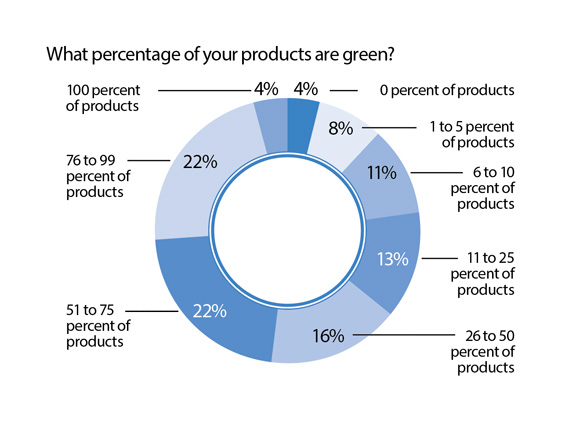
GREEN CHEMICALS
Also the materials have to meet with toxicity and health requirements regarding inhalation, dermal and eye contact. There is also a specific list of materials that are prohibited or restricted from formulations, like ozone-depleting compounds and alkylphenol ethoxylates amongst others. Please go to http://www.greenseal.com/ for complete information on their requirements.
For information on current issues regarding green chemicals, see the blog from the Journalist Doris De Guzman, in the ICIS at: http://www.icis.com/blogs/green-chemicals/.
Certification is an important — and confusing — aspect of green cleaning. Third-party certification is available for products that meet standards set by Green Seal, EcoLogo, Energy Star, the Carpet & Rug Institute and others.
Manufacturers can also hire independent labs to determine whether a product is environmentally preferable and then place the manufacturer’s own eco-logo on the product; this is called self-certification. Finally, some manufacturers label a product with words like “sustainable,” “green,” or “earth friendly” without any third-party verification.
“The fact that there is not a single authoritative standard to go by adds to the confusion,” says Steven L. Mack M.Ed., director of buildings and grounds service for Ohio University, Athens, Ohio.
In www.happi.com of June 2008 edition, there is a report of Natural formulating markets that also emphasises the fact that registration of "green formulas" is very confused at present, due to lack of direction and unification of criteria and that some governmental instittion (in my opinion the EPA) should take part in this very important issue.
More